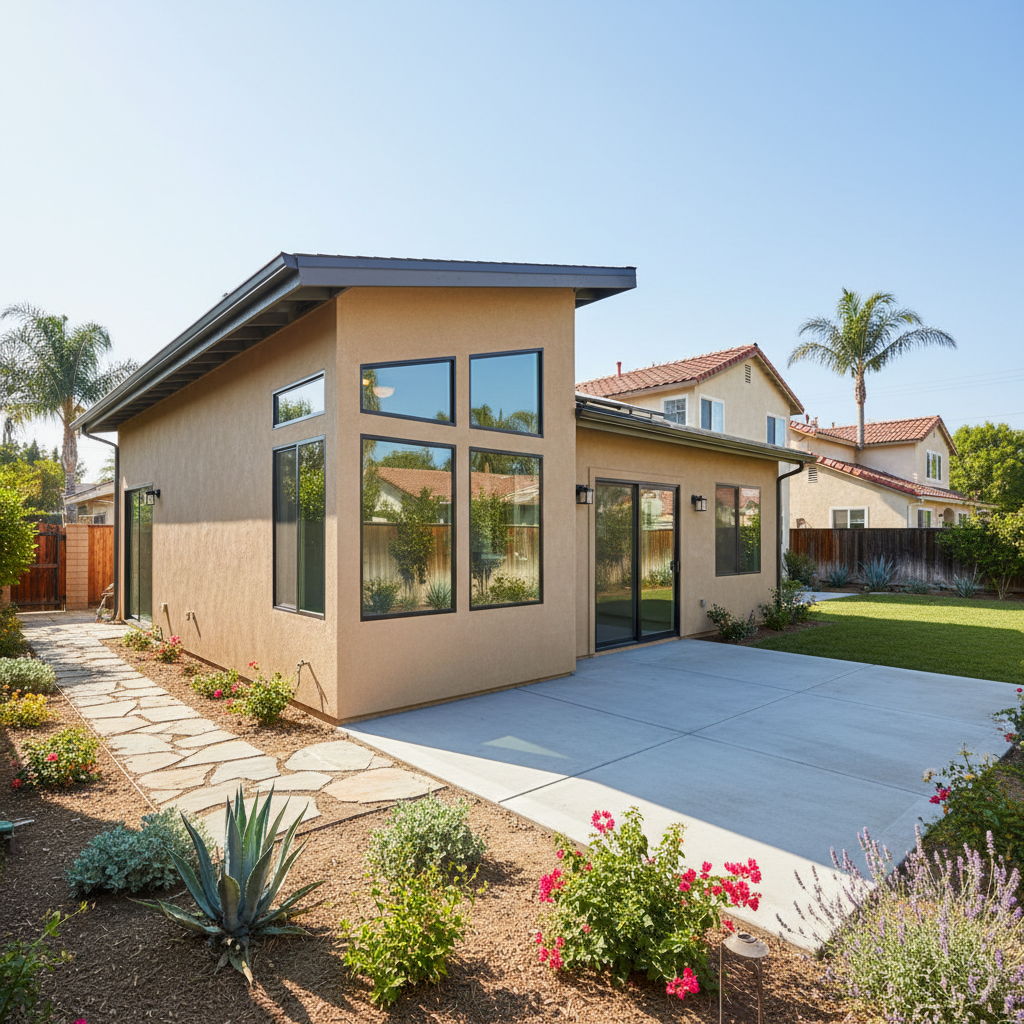
Your ADU's Lifespan: It's All About How You Treat It
You've poured good money into your Accessory Dwelling Unit, whether it's for some extra cash, family, or just more room. Chances are, you took out a loan—maybe a HELOC or a construction loan—to get it built. So, protecting that investment isn't just about the building itself; it's also about keeping your finances safe. Putting off maintenance isn't just an eyesore; it can really hurt your property value and make lenders nervous if you ever need to refinance or sell. Here's what I've seen homeowners in Santa Ana need to know to keep their ADU in top shape, especially with our unique Southern California climate.
Making Your ADU Last Longer
Think of your ADU like your car; regular oil changes keep it running smoothly for years. The same idea applies here. Being proactive with care is always cheaper than fixing things after they break. Here's where to focus your energy to get the most out of what you've built:
- Good Materials Really Count: When we build ADUs at Santa Ana ADU Solutions, we always suggest materials that can handle our local conditions. That means stuff like stucco exteriors for fire resistance and proper roofing for our intense sun and those occasional heavy rains. If you started with quality materials, you're already way ahead.
- Smart Landscaping: Our dry Santa Ana climate means drought-tolerant landscaping is super important. But even low-water plants need some attention. Make sure to keep plants away from the foundation to prevent moisture problems and roots from getting in, which can cause foundation issues down the road.
- Ventilation is Your Best Friend: Southern California summers get hot, right? Good ventilation stops moisture and heat from building up. Double-check that exhaust fans in bathrooms and kitchens are working correctly. This stops mold and mildew, which can be a real pain to fix and, frankly, a health risk.
- Pest Control: We don't get harsh winters here to kill off pests, so regular pest control is essential. Termites just love our climate, and they love wood. Stay on top of those inspections and treatments.
Regular Maintenance: Your Simple Checklist
This isn't rocket science, but it's easy to forget. Just set up a schedule and stick with it.
- Monthly Checks:
- Look for leaks under sinks, around toilets, and where appliances connect.
- Clear out any visible gunk from gutters and downspouts, especially before and after it rains.
- Test your smoke and carbon monoxide detectors.
- Quarterly Checks:
- Clean your HVAC filters. Our Santa Ana air can get dusty, and clean filters mean better air quality and efficiency.
- Check the exterior for cracks in stucco or paint, particularly after big temperature changes.
- Look for any signs of pests, both inside and out.
- Annual Checks:
- Get your HVAC system serviced by a professional.
- Inspect the roof for damaged tiles, missing shingles, or standing water. Our intense sun can really bake a roof, you know?
- Check all windows and doors to make sure they seal and open correctly. Re-caulk if needed to keep that AC in and the heat out.
- Give the exterior a good wash to get rid of dirt and grime.
Warning Signs You Really Shouldn't Ignore
Catching small problems early saves you a ton of money later. Believe me, I've seen minor issues turn into huge structural repairs because someone waited too long.
- Water Stains or Leaks: Any discoloration on ceilings, walls, or floors could mean a leak. Don't put it off. Water damage can lead to mold, rot, and structural problems.
- Cracks: Small hairline cracks in stucco or drywall are often normal, but large, spreading, or stair-step cracks—especially near doors and windows—can point to foundation movement.
- Musty Odors: This is a classic sign of mold or mildew, usually from too much moisture. Find where it's coming from and fix it.
- Pest Evidence: Droppings, chewed wood, or mud tubes (termites!) mean you've got some unwelcome guests.
- Sagging or Uneven Floors/Ceilings: These are serious structural red flags.
- Higher Utility Bills: A sudden jump might mean issues with insulation, HVAC, or leaks.
When to Call a Professional
Look, I'm a contractor, so I know a thing or two about what you can do yourself and what needs an expert. Don't try to save a buck on something that could mess with your ADU's structure or safety. Here's when to pick up the phone:
- Major Leaks or Plumbing Issues: Beyond a simple clogged drain, call a plumber. Water damage is no joke.
- Electrical Problems: Flickering lights, outlets not working, or burning smells are serious. Get an electrician.
- HVAC Malfunctions: If your unit isn't heating or cooling right, or making strange noises, call an HVAC tech. Our summers really demand a working AC.
- Roof Damage: Unless you're just clearing leaves, leave roof repairs to the pros. It's dangerous, and doing it wrong can lead to even bigger leaks.
- Foundation Concerns: Any significant cracks, settling, or doors/windows sticking badly means you need a foundation specialist. Especially in Santa Ana, where we're in a seismically active area, foundation integrity is super important.
- Persistent Pest Infestations: If your DIY efforts aren't working, it's time for professional pest control.
Keeping up with your ADU's maintenance isn't just about keeping it looking nice; it's about protecting your financial investment. Ignoring these things can lead to expensive repairs that eat into your rental income or make selling a real headache. A well-maintained ADU holds its value, and that's good for your wallet in the long run.