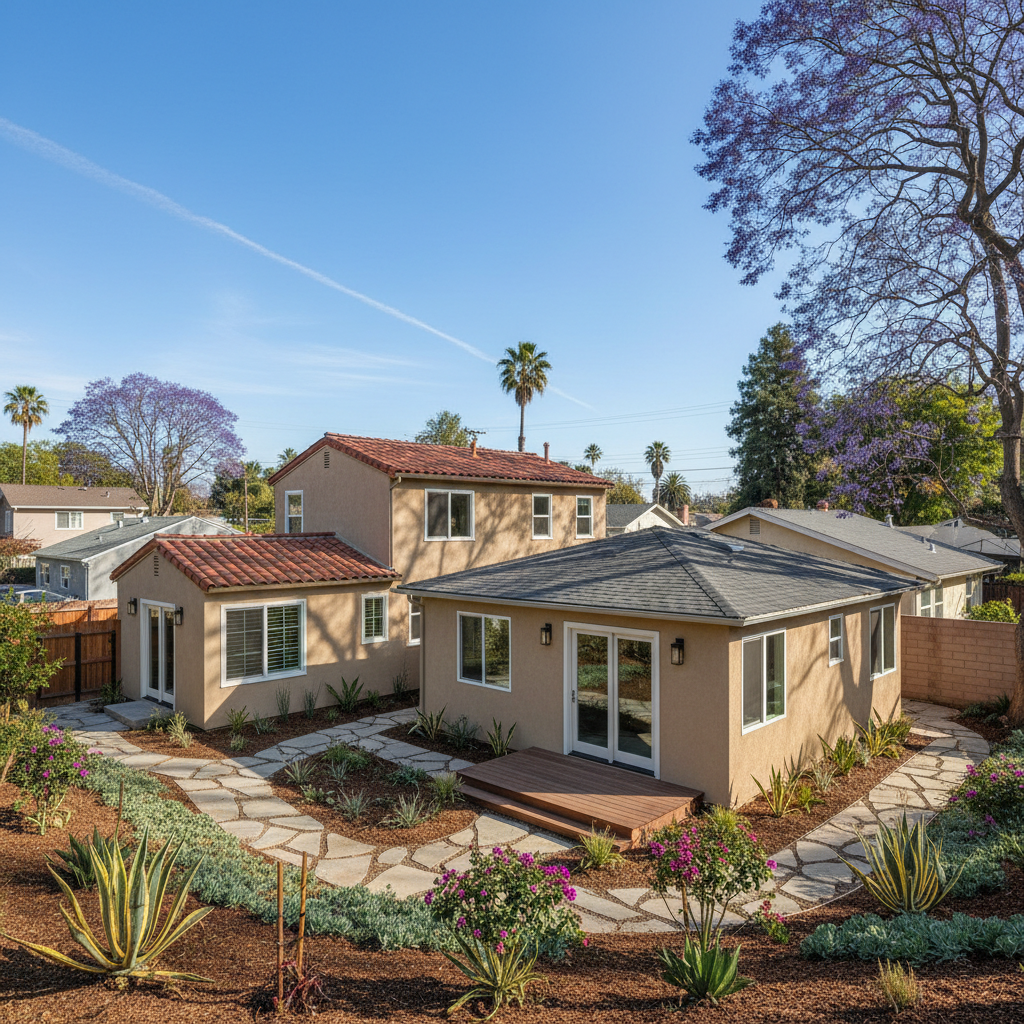
So, you want to build an ADU but don't have a giant pile of cash just sitting there? That's the big question, isn't it? For a lot of homeowners right here in Santa Ana, it's probably more like a two-hundred-thousand-dollar question. I've been doing this a long time, and I've watched folks in neighborhoods from Floral Park all the way to those more suburban areas near South Coast Plaza figure out the money side of things. It's not always a straight shot, but believe me, it's definitely possible.
Why Getting a Traditional Loan for an ADU Can Be a Pain
You might think, "Oh, I'll just get a construction loan," and yeah, that's an option. But it's often not the easiest path, especially for an ADU. Banks tend to be pretty cautious when it comes to new construction that isn't your main house. They're all about risk, and sometimes an ADU, even though it adds real value, doesn't quite fit into their usual boxes. You'll often run into tougher requirements, higher interest rates, or just more hoops to jump through compared to, say, refinancing your primary home.
And let's be honest, a lot of the ADUs we build here in Santa Ana aren't huge, multi-story mansions. They're often garage conversions, smaller detached units, or additions. These might not even hit the minimum loan amounts some traditional construction lenders prefer. It's not impossible, but it's good to know what you're up against before you start.
Your Home Equity: Probably Your Best Bet for ADU Funding
For most homeowners I work with, using their home equity is the smartest move. If you've owned your home here for more than a few years, you've likely built up a decent chunk of equity, especially with how property values have climbed in Orange County. There are a couple of ways you can do this:
- Cash-Out Refinance: With this, you refinance your current mortgage for a bigger amount and get the difference back in cash. The interest rates are usually pretty good because it's tied to your main mortgage. It's a solid choice if current rates are lower than what you're paying now, or if you want to consolidate other debts.
- Home Equity Line of Credit (HELOC): A HELOC gives you more flexibility. Think of it like a credit card that's backed by your home. You get approved for a certain amount, and you can pull money from it as you need it. This works great for ADU projects because you only pay interest on the money you've actually used. So, as we hit different construction milestones and you need funds, you just draw them down. This keeps your interest costs lower during the build, which is nice.
- Home Equity Loan: This is a lump sum loan with a fixed interest rate and a set repayment schedule. It's not as flexible as a HELOC, but it offers predictability. If you've got a really clear budget and timeline, and you want to lock in a rate, this could be a good fit for you.
The great thing about using your equity is that the bank already knows your property. They're comfortable with the collateral, and the whole process usually goes a lot smoother than trying to get a separate construction loan for a secondary unit.
Personal Loans and Other Options (Be Careful Here)
Sometimes, if the ADU project is on the smaller side—maybe just a simple garage conversion with minimal structural changes—a personal loan might be an option. But a word of caution: the interest rates are typically much higher than anything secured by your home. I'd really only consider this for smaller, very short-term needs, or if you're absolutely positive you can pay it back quickly.
I've also seen people get creative with things like FHA 203(k) loans, which are meant for rehabilitation and repair. They can sometimes work for ADUs, especially if it's part of a bigger renovation of the main house. But these are definitely more complex and have specific requirements you'll need to dig into.
Why Local Expertise Really Matters for Financing
Here's the thing: a lot of lenders, especially the big national ones, don't always grasp the specific value an ADU adds in a market like Santa Ana. They might not understand how much demand there is for rental units in places like the historic districts or near the college campuses. A local lender, someone who truly understands the Santa Ana market and has seen appraisal values jump after an ADU gets built, is going to be a much better partner. They're more likely to see the potential and be willing to work with you.
We at Santa Ana ADU Solutions often work with clients who are looking into these options, and while we don't offer financing ourselves, we can point you toward local lenders who just 'get it.' They understand that an ADU isn't just an expense; it's an investment that can bring in rental income, provide flexible living space for family, or significantly boost your property value.
Don't just walk into your bank and ask for "an ADU loan." Do your homework, understand your equity, and talk to lenders who specialize in home improvement or, even better, have experience with ADUs specifically. It'll save you a lot of headaches and probably some money too, wouldn't you say?